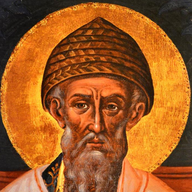
Why Saint Spyridon Is Depicted Wearing a Woven Shepherd's Cap: History and Spiritual Meaning
Among all the hierarchs of the Orthodox Church, Saint Spyridon of Trimythous possesses an unmistakable iconographic feature: instead of a jeweled golden miter, his head is crowned with a simple woven shepherd's cap (in Greek, spyrida means a woven basket—sharing the very root of the name Spyridon).
1. Origins of the Cypriot Shepherd's Cap
In 4th-century Cyprus, shepherds wore lightweight hemispherical caps woven from willow shoots, reeds, or palm leaves to shield their heads from the blazing Mediterranean sun. When the Christian faithful of Trimythous unanimously elected the widowed shepherd Spyridon as their bishop, he refused to abandon his humble way of life.
Walking everywhere on foot with a wooden staff, he continued wearing his woven shepherd's cap as a constant reminder of Christ's words: “I am the Good Shepherd: the Good Shepherd giveth His life for the sheep” (John 10:11).
2. The Palace Servant in Antioch and the Other Cheek
Patristic chronicles recount that when Saint Spyridon arrived at the imperial palace in Antioch to heal the dying Emperor Constantius, a proud courtier saw the elder wearing a woven straw cap and rough garments and mistook him for a beggar, striking him across the cheek.
In complete meekness, Saint Spyridon fulfilled the Gospel commandment by silently turning the other cheek. Ashamed and moved to tears, the servant begged forgiveness, while Emperor Constantius immediately recognized the woven shepherd's cap from the angelic vision that had promised his healing!
3. The Spiritual Meaning of the “Miter of Humility”
Saint Spyridon's woven cap proclaims that true spiritual authority before God rests not in worldly pomp, but in humility, simplicity, and love for the flock. Read more in Chapter 18 of the Complete Life of Saint Spyridon.
Канонічний текст акафісту, правило 40 днів, щоденні нагадування та офлайн-режим у Google Play.