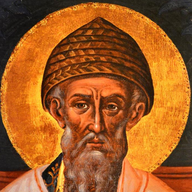
The Mystery of Saint Spyridon's Velvet Slippers in Corfu: Why They Wear Out and What Phylachto Means
Throughout the Orthodox Christian world, Saint Spyridon of Trimythous is affectionately known as “The Walking Saint.” His incorrupt relics, enshrined since 1456 in the Cathedral of Kerkyra (Corfu, Greece), stand as tangible testimony that the saints of God do not remain distant from human suffering, but actively traverse the earth to assist those who call upon them in faith.
1. Why Do Saint Spyridon's Slippers Wear Out?
According to the ancient liturgical custom of the Metropolis of Corfu, prior to the Saint's feast day (December 12) and before Great Lent, the clergy solemnly change the vestments and gold-embroidered crimson velvet slippers covering the feet of Saint Spyridon's incorrupt body. Each time, priests and witnesses observe a phenomenon that defies secular explanation: the slippers inside the locked silver reliquary are found flattened, scuffed, and worn thin at the soles, often bearing traces of sea sand, earth, or dried grass.
2. When the Two Silver Keys Refuse to Turn
Saint Spyridon's reliquary in Corfu is secured by two locks requiring two separate silver keys turned simultaneously by the attending priests. Yet at certain times the keys refuse to turn at all.
Locals on Corfu receive this peacefully, telling pilgrims: “Saint Spyridon is not in his reliquary right now—he is out walking the world to help someone in urgent need.” Time and again, written testimonies arrive at the cathedral from sailors, hospital patients, and families who encountered a white-bearded bishop in a woven cap at that exact hour.
3. What Is a “Phylachto” Blessing?
Rather than locking the worn slippers away in a museum, the Metropolitan of Corfu blesses the clergy to cut the worn velvet into thousands of tiny crimson squares sealed with the cathedral stamp. Known in Greek as a phylachto (φυλακτό), these fragments are distributed freely to pilgrims and parishes worldwide.
⚠️ Authentic Orthodox Reverence:
A phylachto is never a secular "good-luck charm." Believers keep it reverently in their home icon corner or carry it over their heart while praying the Prayer Akathist to Saint Spyridon and anointing the sick in faith.
Canonical akathist text, 40-day rule, custom daily reminders & offline mode on Google Play.